


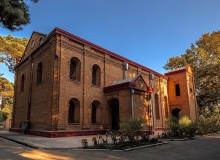
The Iranian authorities have ordered the eviction of 20 Armenian and Assyrian families living in the compound of Iran’s oldest Protestant church, founded in 1876.
.jpg)
Abusers set up new churches, preach again about God’s love, receive official recognition from ‘the good people’, and host lavish meals to celebrate their own success. Victims try to rebuild their own life, in silence.
.jpg)
Economic dependence, power imbalance and other factors should be taken into account when churches offer help to migrants or refugees. Miriam Araujo addressed risks and good practices.
.jpg)
The way we deal with cases of abuse in our communities is not a minor issue: it is a profoundly spiritual, pastoral, ethical and also missionary matter. An essay outlining three models and four mistakes that churches often make.
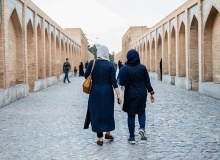
Human rights violations against Iranian Christians include “imprisonment, exile and forced labour”, says a new report.
Cropped(1).jpg)
Colombian university lecturer Lina Fernanda Montoya has accompanied around 20 victims. In Madrid, she explained observable patterns when abuse occurs in evangelical churches.
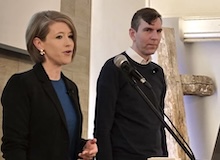
A training day in Madrid on abuse in Christian contexts, with experts from GRACE, explored the challenges and opportunities for restoring victims, as well as creating an integrity-based and fair church culture.
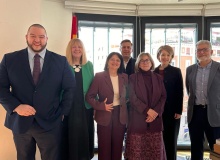
María Eugenia Prendes expressed her support for initiatives that “open the eyes to an unnoticed reality that is important to address” in faith contexts.
.jpg)
GRACE visits Madrid at the invitation of the ‘Psalm 15 Table’ to offer training and meet with pastors, legal experts, politicians and the media.
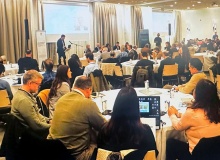
The third Interdenominational Forum in Spain addressed violence against women and children and the creation of safe churches. 15 speakers addressed the situation from many angles.
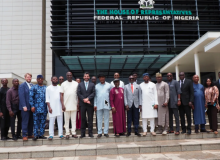
Wissam al-Saliby, president of 21Wilberforce, analyses the situation of Nigeria after meeting with Nigerian Christian ministry leaders and public servants.
.jpg)
More than 100 churches and mission organisations, as well as 140 Christian leaders, have signed a document backed by biblical references calling for an end to the culture of silence. Meanwhile, stories of abuse are being shared on social media.

It remains one of the most painful taboos within faith communities.

In response to cases of abuse in churches, influential evangelical leaders, denominations, and mission organisations want to break the culture of silence and prioritise the well-being of victims over institutional reputation.
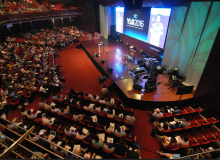
Instead of trying to attract people to a big event and then persuade them to participate in long-term training opportunities, this time YLGen is marketing the long-term relationship.

More than 450 authors and almost 30,000 contents published since the website was launched in January 2015. “The journey we have made reinforces the idea that approaching current affairs from a Christian perspective is not only relevant but necessary”.
.jpg)
“EF promotes constructive conversations that seek to edify, to understand”, writes the president of the Spanish Evangelical Alliance on the 10th anniversary of this journalistic project.
.jpg)
Peacebuilding and advocacy are complementary, sometimes intertwined disciplines. After all, there can be no true peace without justice.

Looking back, it is clear that we are already extravagantly loved as God’s children. Looking forward, we discover that our revelation as the bride of Christ is still to come.
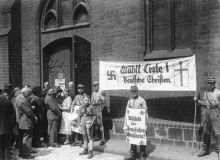
Common decency says we should not liken anything today to 1930’s Germany. In light of what has happened recently and what may lie ahead, maybe it would be wiser if we did.

It may be that the turbulent times stir previously comfortable hearts to a new level of openness. When those moments come, we must offer Jesus to a needy world.

Today, we live in a world of indolence that strengthens people with sinister agendas, whatever their ideology or religion may be.
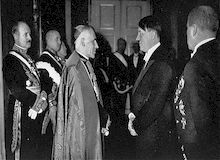
I don’t want to condemn the church in the 1930s without acknowledging how easily cowed the church in the 2020s might prove to be.
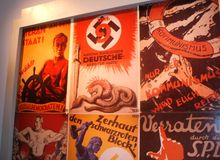
Society may be conditioned to support an approved narrative, but we are called to be men and women of truth.
.jpg)
I’d like to ponder what Nazi Germany might mean for how we preach and influence both church and society in our tumultuous times.






Las opiniones vertidas por nuestros colaboradores se realizan a nivel personal, pudiendo coincidir o no con la postura de la dirección de Protestante Digital.

