



In his book, Miguel Ángel Fernández tells the stories of people who turned to tarot, reiki, astrology or Santería, and reflects on how Christians can reach out to those who are on a spiritual quest.
.jpg)
The Evangelical Alliance UK has published a 36-page guide containing definitions of popular New Age concepts, testimonies of conversions to Christianity and ideas for engaging with spiritual seekers.
.jpg)
My trip to Kyiv last week has sharpened my understanding of how increasingly central Ukraine is to Europe’s future.
.jpg)
The film phenomenon offers an energetic blend of action, music, and humour, wrapped in beautiful, vibrant animation and framed by a mythology with darker undertones.

Beneath the noise of social media, many young people are searching for meaning, purpose, and truth. They are looking for guidance on what it means to follow Jesus in a tangible way.

To identify the entire evangelical community with certain political movements or with media images from the United States is not only unfair, but deeply misguided.
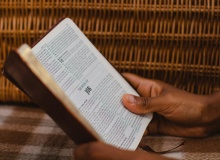
Biblical spirituality is both vibrant and balanced.
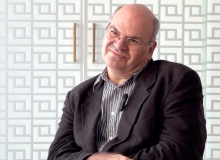
In an interview, Spanish pastor and journalist José de Segovia comments on the renewed spiritual interest among younger generations, the risks of social media, and the state of the evangelical witness in universities.
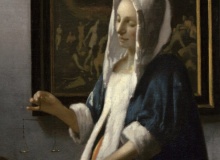
Johannes Vermeer’s Woman Holding a Balance offers a quiet visual parable for this moment. As we face yet another new year of war, polarisation and distrust, we need reflection which goes beyond personal self-improvement.
.jpg)
According to the 2025 confirmation preparation survey, 67 percent of boys and 56 percent of girls believe in the existence of God. 75 percent of Finnish youth attend confirmation classes. Are parishes able to respond to young people's growing interest?

We talk to professor, author and lecturer Paul S. Williams about the challenges of discipleship in a fast-paced world, the pressure of secularism, and what it means to have a relevant faith<
Cropped(1).jpg)
Almost 40 countries were represented at the annual FEUER conference in Calpe.
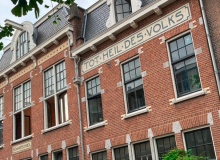
The Amsterdam Réveil never became a mass movement. Yet by insisting that faith must be personal, passionate, and socially relevant, the Réveil planted seeds that would later bear fruit in Dutch political, social and church life.

A Pew Research Center survey shows that ‘nones’ in Europe “are much less inclined” to believe in God, and “tend to voice negative views of religion”.
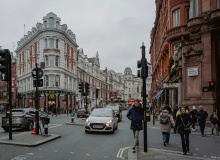
The multicultural context of Britain means that we cannot develop the theology of nationhood in isolation from migrant communities and identities.
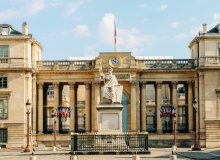
French evangelicals support the report but warn of the “risk of stigmatisation” of religious practices that are “fully protected by freedom of thought, conscience and religion”.

2025 will be more fruitful if we hear from God by being in the Word, speak to God in prayer, respond in worship, and invest in life-giving relationships with other believers.
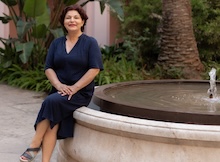
An interview with Martha Ramírez Uribe, a Christian art dealer with 30 years of experience.

All the books in the world would not be enough to write about the blessings we have received from God.

We need food, shelter, friendship, purpose and more, but maybe all these needs fold into just two: bios and zoë, physical life and spiritual life.
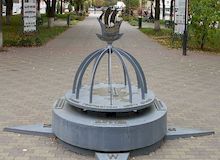
Europe is polycentric, not only on the cultural but also on the spiritual and religious level.

Religion is necessarily soteriological, meaning it is about the regeneration of individuals and the restoration of all that was lost through the fall.

If you are asked to preach, prepare. Prepare humbly. Prepare prayerfully. Prepare as if “apart from me, you can do nothing”.

We are aware of spiritual things, and know the consequences of them, but we cannot see them.
A report of the Social and Cultural Planning Office shows that only 33% say they believe in God. But “believers experience more meaningfulness than non-believers”.





Las opiniones vertidas por nuestros colaboradores se realizan a nivel personal, pudiendo coincidir o no con la postura de la dirección de Protestante Digital.

