


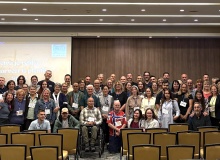
The third regional conference on evangelism “The Harvest Is Plentiful…” brought together 140 participants who share the gospel in cities, universities and Muslim-background contexts.
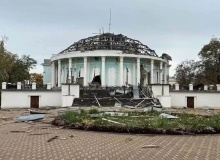
At 11 am, a missile hit the “Good News” church building in the eastern Ukrainin city. There were no casualties, as no services were being held due to a prior warning.
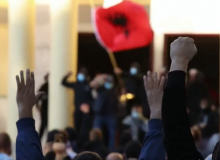
After the peaceful ‘flamingo’ protests, riots have now broken out in Tirana, Albania. The Evangelical Alliance condemns violence, both “by protesters against institutions and businesses” and “the disproportionate use of police force against citizens”.
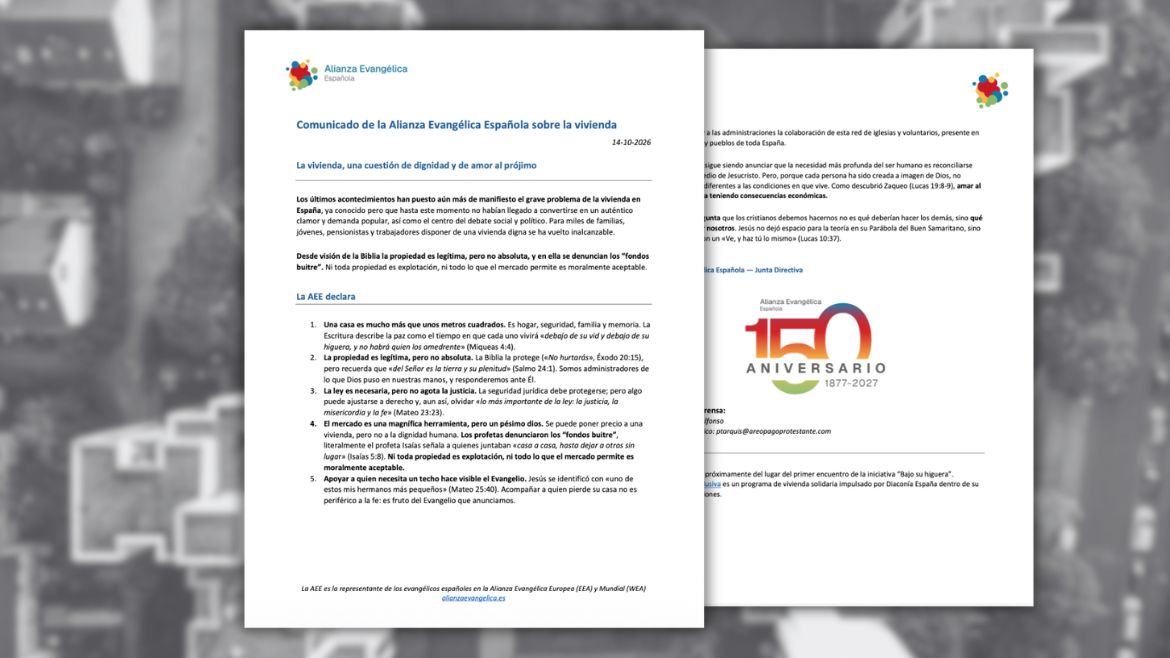
Amid street protests over rent prices and the evictions of vulnerable people, the Prime Minister has called a snap election. The Spanish Evangelical Alliance proposes five lines of action.
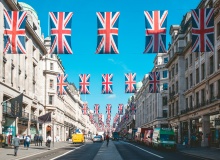
In a survey published by the Theos think tank, more than a third of respondents said they agree with the so-called ‘Great Replacement theory’, which claims that Europe’s population is being deliberately replaced by Muslim immigrants.
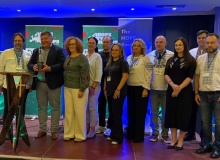
“God is at work and churches continue to work. More than 40,000 have been baptised”, says pastor Igor Bandura as a delegation from Ukraine attends ‘Hope for Europe’ in Albania.
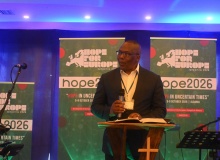
When hopes based on economic well-being, family or mental health are swept away by the current global storm, evangelicals in Europe must be able to cast the anchor of the Gospel, says Zimbabwean pastor Goodwill Shana.
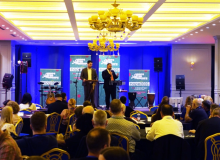
The first day of the European gathering focused on the Christian story of Albania as an example of “hope in uncertain times”.
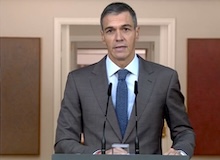
President Pedro Sánchez brings forward the election to 29 November. As in previous elections, the Evangelical Alliance will produce a guide to “vote with an informed opinion”.
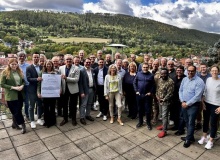
Amid a complex political situation, the EAD issues a position paper to “support evangelicals in addressing political and social issues responsibly from a Christian perspective”.
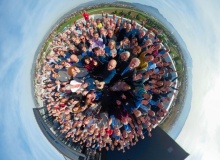
The conference, held every four years, brings together 250 delegates to “talk and listen together for the sake of the Kingdom of God”, says Connie Duarte of the European Evangelical Alliance.
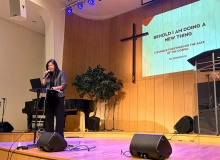
In Stockholm (Sweden) the 'Stronger Together' conference on September 18-19 participants “shared experiences, not just as individual entrepreneurs or organisations, but as part of something greater”.
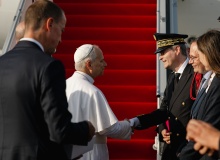
We ask theologian David Brown in France about today's influence of Catholicism, ‘laicité’ in politics, and the new efforts to promote ecumenism with evangelicals.
The evangelical federation welcomes the initiative, but rejects the requirement for pastors and widows to pay contributions. It will request a meeting with the government and does not rule out legal action.
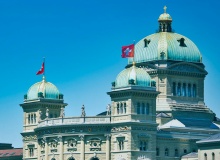
In Switzerland, 6 per cent of the population are Muslim. Parliamentarians who fear the Islamisation want more control by local councils over mosques and their funding. But such laws would affect evangelical free churches as well.
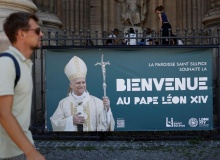
On 25 September, numerous schools will hold compulsory lessons in which the usual curriculum will be replaced by content about the Pope. The Minister for Education has authorised the move, on condition that no spiritual practices are imposed.
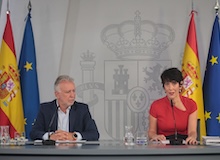
The law approved by the Spanish Government seeks to redress the injustice suffered by pastors and their families who were prevented from making social security contributions during the Franco regime and the early years of democracy.
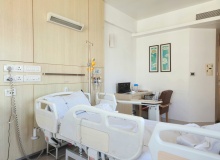
The committee overseeing the case says the doctor acted “with due care” and had the parents’ support, despite the opposing views of other doctors who were also consulted.
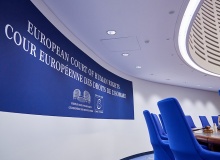
The case of a father who was barred by the Spanish courts from taking his young son to church or teaching him about the faith, due to the mother’s opposition, has been referred to the European Court of Human Rights.
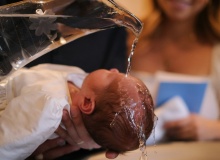
A low fertility rate and the secularisation of the island are the causes. Six out of ten children are registered as Catholic at birth, in a context where ‘cultural Catholicism’ persists.
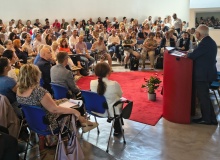
The IFED annual theological conference in Padua fostered debate on AI and the responsibility and ethics that a biblical worldview demands.
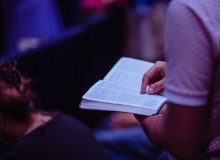
What explains the fact that two out of every three practising Christians in the UK now identify as evangelical? Danny Webster, one of the authors of the report ‘Understanding UK Evangelicals’, answers our questions.
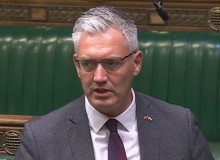
David Smith, the government’s Special Envoy for Religious Freedom, visited Ukraine in July. In the country's occupied territories, people only can worship freely in Russian Orthodox Churches, he says.
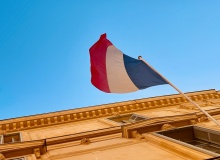
For two days in Sète, the leadership teams of the National Council of Evangelicals in France and the French Protestant Federation discussed past tensions and future collaboration.
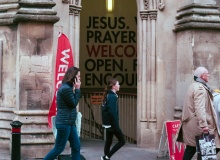
A major survey shows that there are 5.5 million committed evangelicals, 8 per cent of the population. Around 40 per cent of them are under the age 35, the Evangelical Alliance United Kingdom reports.




Las opiniones vertidas por nuestros colaboradores se realizan a nivel personal, pudiendo coincidir o no con la postura de la dirección de Protestante Digital.


