


At this Christian social centre in Mozambique, boys and girls, both with and without disabilities, play, learn and grow together.
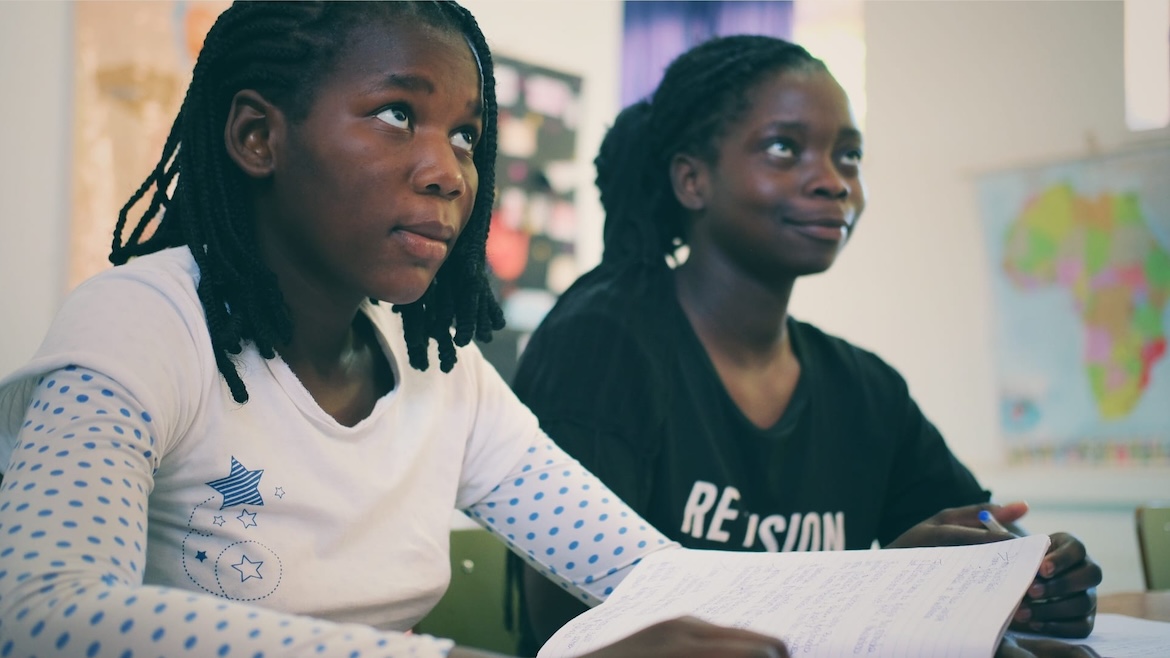
Sekeleka means 'get up' in Changana, one of the main languages spoken in Mozambique.
A simple word that becomes something much deeper than just a verb every morning at the Christian centre that bears the same name, Sekeleka, in Macia in the south of the country.
Rising up means to learn to walk together when the world divides us. It is to lift up those who have been hidden away. It is to look at a child with cerebral palsy, Down's syndrome or blindness and see first and foremost a boy or girl, rather than their diagnosis.
All Evangelical Focus news and opinion, on your WhatsApp.
It is to grow up sharing games, songs, frustrations and hugs, until differences no longer seem scary.
At the Sekeleka Social Integration Centre, which has been affiliated with the Baptist churches of Spain for nine years, inclusion is not something written on posters or spoken about in institutional speeches. It happens in everyday life.
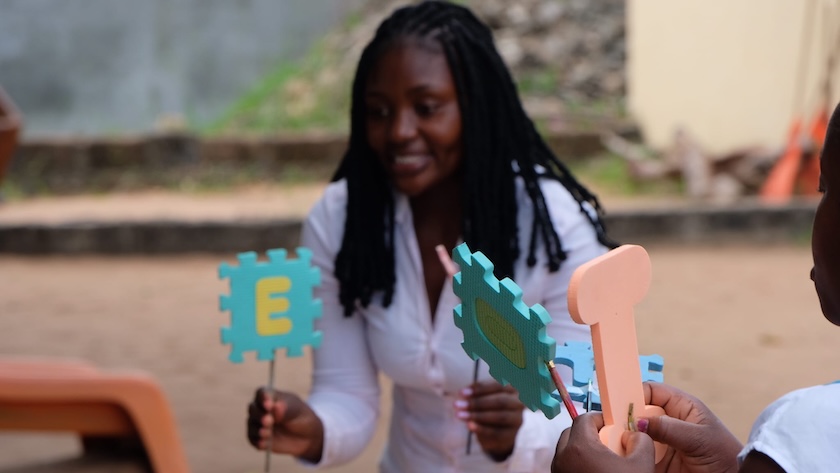
In a hand that helps a child eat, in a ball passed from one pair of feet to another without question; in children who learn from a young age that disability doesn't make anyone less.
Around half of the children at this day centre have some type of disability, particularly cerebral palsy and developmental disorders such as autism.
However, disability is not the main focus. What matters is that all the children play, learn and grow together.
Children who, in other contexts, would be hidden away or excluded, find a place where they are naturally accepted. In Mozambique, many families still view disability through the lens of stigma or ignorance due to a lack of diagnoses or training.
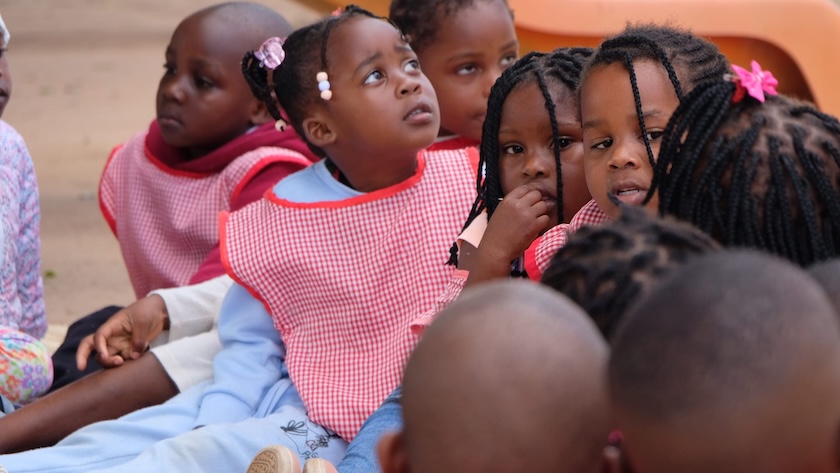
Many of these children attend school in the mornings or afternoons in overcrowded classrooms and spend the rest of the day at Sekeleka, where they share classrooms, games, meals and activities without prejudice.
Children with and without disabilities learn from a young age to live with differences as part of everyday life.
The work of the teachers is one of the cornerstones of the project. Many of them have not had access to specialised training and work with very limited resources.
Nevertheless, they keep the centre running day to day with patience, creativity and an enormous capacity to adapt. They teach children basic habits, support them on their journey towards independence and create routines that allow each child to progress at their own pace.
Beyond academic content, they educate through affection and a constant presence. They also ensure health monitoring and proper nutrition.
In a context where specialised professionals are lacking, learning also comes from daily experience. Educators observe, try out strategies and support one another to address a wide range of needs.
The goal is not to meet impossible standards, but to offer dignity, care and real opportunities to children who are often ignored by the system.
Another key part of Sekeleka’s work takes place outside the centre. A group of community workers known as activists travel through neighbourhoods and rural villages to visit families who live far away and have limited access to basic services.
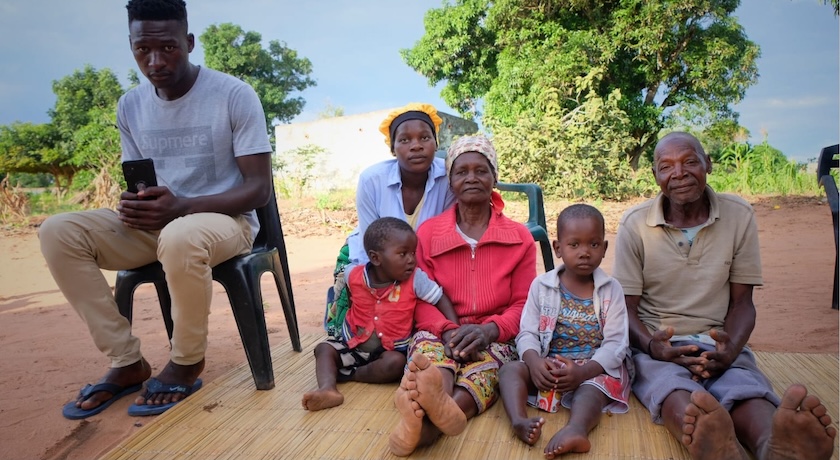
Many women survive in poverty, caring alone for children with severe disabilities. These visits help to identify cases of malnutrition or lack of medical care.
The team supports the families, provides guidance and ensures that the children can receive treatment at hospitals or health centres. In many cases, arranging transportation to a doctor’s appointment makes a huge difference.
They also provide nutritional monitoring, emotional support and basic training so that families can better understand disability and learn how to provide daily care.
Sekeleka shows that inclusion does not depend solely on large-scale infrastructure or specialists. Sometimes it begins when a child with a disability shares breakfast with their classmates, when a mother stops feeling ashamed of her child, or when a community begins to understand that everyone has a place.
In Macia, inclusion is built every day through something very simple yet profoundly transformative: living together so that disability becomes a diversity of abilities.
[analysis]
[title] Do you see a need for this kind of journalism? [/title]
[text] Evangelical Focus is a network of many people in Europe and beyond who strive to bring a uniquely Christian perspective to the big issues of conversation.
Through news, interviews, opinion and analysis, we seek to build bridges between evangelical churches and the societies in which they live.
As a non-profit entity, the big challenge is to be sustainable, month by month. We invite you to make a difference! Join the readers who make Evangelical Focus possible.
[/text][/analysis]




Las opiniones vertidas por nuestros colaboradores se realizan a nivel personal, pudiendo coincidir o no con la postura de la dirección de Protestante Digital.


Si quieres comentar o