


What Ukraine is teaching the Global Church about migration.
.jpg)
Criminals kill 47 people in one night in Kenscoff, in a country plunged into chaos that neither UN support nor foreign aid has managed to stabilise.
Elisabeth Ross worked with refugees. “Her life was all about mission. She served and cared for people all over the world”, says the pastor of her home church.
.jpg)
Fifty years ago, on July 9, 1976, I landed in Frankfurt am Main with my family. A Lufthansa plane had flown us from Moscow to Germany. “To freedom”—as people said. My parents had been waiting for an exit permit since 1956. Now the time had finally come.
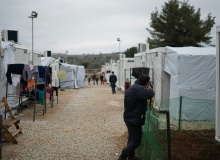
We recognise the legitimate duty of governments to manage migration responsibly, secure external borders, and combat human trafficking. At the same time, several elements of this Regulation trouble us. Detention will now last longer and can apply to families with children.
.jpg)
150 practitioners and experts serving across Europe discussed topics such as strengthening younger generations, mental health and sexual abuse prevention. The Refugee Highway Partnership organises such gatherings every year.
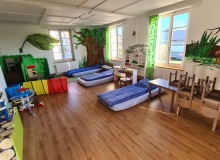
The Swiss Evangelical Alliance helped coordinate the accomodation of around 1,000 refugees. Such actions “have generally had a positive impact on the refugees social, linguistic, cultural and professional integration”, says the Swiss Federal Council.
.png)
To receive the displaced is to echo the heart of Jesus who “did not come to be served but to serve”. Still, we feel the tension: the urgent needs of today and the long work of tomorrow. By Wissam Nasrallah, president of the Arab Baptist Theological Seminary in Beirut.
In Jordan, there is “no panic in the streets but definitely a collective awareness that the region can shift overnight”. Churches are “calling for focused prayer gatherings, encouraging believers not to spread fear”, the Christian leader says.
A pastor of the Iranian church in Barcelona analyses the impact of the fall of the Ayatollah regime’s leadership and the situation of Iranian Christians in the diaspora, where they hope for rapid political and social change that will restore religious freedom in the country.
Cropped.jpg)
At its 2026 European meeting, the Refugee Highway Partnership will bring together churches and ministries working with forcibly displaced people. The focus this year is on the realities of children and young people.
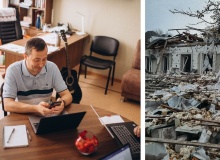
Valentyn Siniy leads a theological institute in Ukraine destroyed by the war. He recounts how they reorganised to continue training pastors and shares personal experiences from these 3 difficult years.
“The task of the Evangelical Church in Italy is to pray for refugees but also to welcome them”, says the president of the AEI at a Refugee Sunday event.
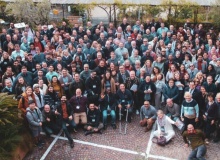
The Refugee Highway Partnership Europe gathering is happening in Málaga (10-14 March). “We are invited to stand against that tide and follow Jesus in the powerful way of humility”, say the organisers.
.jpg)
Two and a half years after the Russian invasion, Germany was hosting more than one million people. Together with Ukraine and the Czech Republic, they have taken in 60% of all refugees in the union.
.jpg)
Martin Accad, president of a theological seminary in Beirut, analyses the critical situation on the ground. “Though we often feel helpless, we never feel hopeless”.
.jpg)
A Baptist church in Zahlé hosts 150 people who fled the fighting between Israel and Hezbollah in the south. They were already working with Syrian refugees.
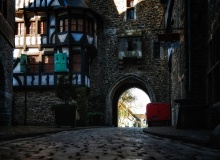
“As churches, we mourn with the families and pray for them”, said German Christian leaders. The murder of 3 people has added fuel to the political fight over migration.
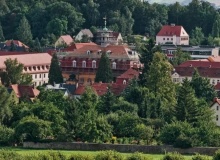
Herrnhut, recognised as a World Heritage Site, was established by refugees fleeing from the Catholic Counter-Reformation in Bohemia and Moravia.
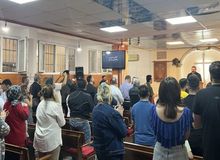
The New Life Spiritual church meets the practical and spiritual needs of around 15 families, who have become part of its congregation.
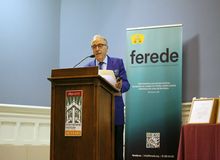
“In terms of resources invested and people assisted, evangelical social action would be among the largest NGOs in our country”, says the head of evangelical social action.
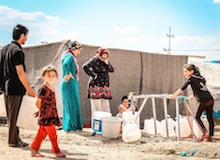
World Refugee Day was marked by increasing numbers of displaced people (120 million) and a limited political response. “No NGO can stop a war”, says an evangelical group.
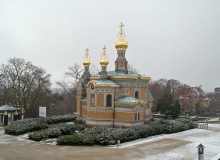
What are the spiritual and theological characteristics of the Russian-speaking diaspora and what explains their tendency to form their own congregations?
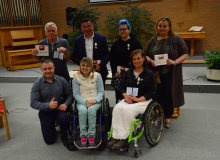
They received the Ukraine's White Cross for evacuating over a thousand people with disabilities since the outbreak of war, and bring them in Germany and Austria.
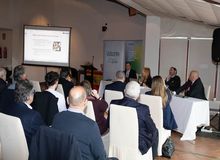
A Christian expert on political communication and migration analyses the new EU migration pact. “If Europe needs workers to do certain types of work, why not create a circular route?”, asks Noemí Mena.




Las opiniones vertidas por nuestros colaboradores se realizan a nivel personal, pudiendo coincidir o no con la postura de la dirección de Protestante Digital.

