



I hope that the Jeffrey Donaldson revelations will cause us to reflect deeply on the culture that we have allowed to develop, which is insufficiently loving and insufficiently committed to truth.
.jpg)
Psychological and sexual abuse often thrives in the shadow of 'gentlemen agreements' and a hermeneutics of cover-up that prioritises institutional and religious prestige over the dignity of the vulnerable.
.jpg)
“As Christians, we are called to work towards cultures where abuse is never ignored or concealed”, says the Evangelical Alliance Northern Ireland, following the court conviction of former DUP leader Jeffrey Donaldson.
.jpg)
Abusers set up new churches, preach again about God’s love, receive official recognition from ‘the good people’, and host lavish meals to celebrate their own success. Victims try to rebuild their own life, in silence.
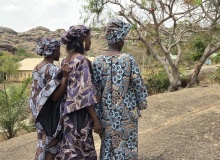
Marking the eighth anniversary of Leah’s captivity, Christian organisations call for her release amid rising abductions of women and girls in the country.
.jpg)
Economic dependence, power imbalance and other factors should be taken into account when churches offer help to migrants or refugees. Miriam Araujo addressed risks and good practices.

Human trafficking is one of the world’s darkest evils. ‘Women of Hope’ is reaching the victimized with stories of restoration through Jesus Christ.
.jpg)
The way we deal with cases of abuse in our communities is not a minor issue: it is a profoundly spiritual, pastoral, ethical and also missionary matter. An essay outlining three models and four mistakes that churches often make.
.jpg)
150 practitioners and experts serving across Europe discussed topics such as strengthening younger generations, mental health and sexual abuse prevention. The Refugee Highway Partnership organises such gatherings every year.
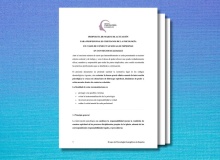
The Evangelical Psychology Group (GPE) publishes a 22-page guide to safeguard the mental health of professionals and protect potential victims. They warn against the misuse of therapy to “preserve institutional reputations or accelerate ministerial restoration processes”.

The objectification of women through prostitution fuels human trafficking worldwide. Ezequiel Escobar leads an organisation working to restore victims of this scourge.
Cropped(1).jpg)
Colombian university lecturer Lina Fernanda Montoya has accompanied around 20 victims. In Madrid, she explained observable patterns when abuse occurs in evangelical churches.
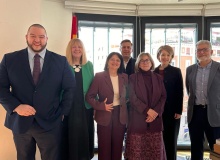
María Eugenia Prendes expressed her support for initiatives that “open the eyes to an unnoticed reality that is important to address” in faith contexts.
.jpg)
GRACE visits Madrid at the invitation of the ‘Psalm 15 Table’ to offer training and meet with pastors, legal experts, politicians and the media.

Not seeing is not the same as not knowing.
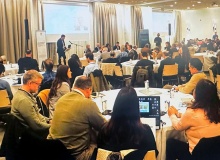
The third Interdenominational Forum in Spain addressed violence against women and children and the creation of safe churches. 15 speakers addressed the situation from many angles.

The former pastor of My Gospel church was charged with 14 offences, including “sexual assault, rape with abuse of authority, coercion, and other offences”. Around 50 victims are being supported, according to sources.
The sentence from the Provincial Court of Madrid also includes a 16-year ban on working with minors, and an order to deport the man to his native Colombia. Evangelical Council condemns the abuse and emphasises 'zero tolerance' policy.
.jpg)
More than 100 churches and mission organisations, as well as 140 Christian leaders, have signed a document backed by biblical references calling for an end to the culture of silence. Meanwhile, stories of abuse are being shared on social media.

It remains one of the most painful taboos within faith communities.
.jpg)
In response to cases of abuse in churches, the UK government is calling for more efforts to “ensure that every child is safe, heard and protected”. The Church of England will dedicate £150 million to supporting victims.

In response to cases of abuse in churches, influential evangelical leaders, denominations, and mission organisations want to break the culture of silence and prioritise the well-being of victims over institutional reputation.
.jpg)
Three boys and three girls between the ages of 5 and 10 were the victims of the confessed paedophile, who took advantage of his spiritual influence over the families between 2009 and 2020.
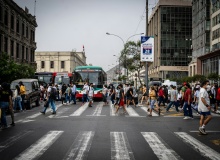
The decline of Catholicism in the country of Pope Leo XIV is linked to a loss of confidence in the institution, finds the Institute of Peruvian Studies.

When someone within the Church has taken advantage of their power or position, then a public response is required, also by the public authorities if a crime has been committed. Failing to investigate scandalous behaviour sends the message that it will be tolerated.





Las opiniones vertidas por nuestros colaboradores se realizan a nivel personal, pudiendo coincidir o no con la postura de la dirección de Protestante Digital.

