


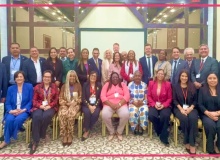
Participants of the Global Forum for Life, Family and Freedoms agreed to set up a convening committee to create the ProLife Core Group, started with the Geneva Consensus Declaration.
.png)
Echoing the calls of evangelicals in the Middle East, the World Evangelical Alliance appealed in Geneva for an end to the illegal territorial expansion, which “contributes to the dispossession and displacement of Palestinians, including Christians”.
Asturias, in the north of Spain, celebrates 45 years of being an Autonomous Community. Among the prominent names in the celebrations features evangelical pastor Rubén Fernández Valle.
.jpg)
Criminals kill 47 people in one night in Kenscoff, in a country plunged into chaos that neither UN support nor foreign aid has managed to stabilise.
.jpg)
The road ahead is long and has only just begun, but its architects believe the time is right to launch this initiative.
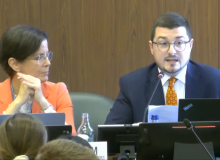
Governments around the world need to ask themselves if “human beings can become a means to satisfy the interests and desires of others”, says Italy's Minister for Family and Natality.
Cropped(2).jpg)
In Cullera, the 70th assembly of the Federation of Independent Evangelical Churches launched a unified strategy prioritising discipleship, small groups open to non-believers, and the practical training of pastors. Around 270 people attended the annual conference.
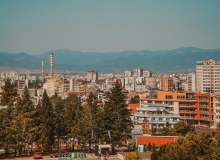
The World Evangelical Alliance urges Bulgaria to “protect freedom of religion and ensure no religious community is unfairly affected during electoral processes”.
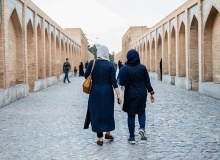
Human rights violations against Iranian Christians include “imprisonment, exile and forced labour”, says a new report.
.jpg)
Evangelicals possess something governments often lack—trusted relationships at the grassroots and access to leaders across divides. An Evangelical Board of Peace could come alongside evangelical peacemakers with diplomatic and relational support.
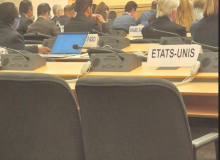
Janet Epp Buckingham, who speaks for Christians at the UN in Geneva, explains why her answer is yes.
.jpg)
“If we don’t register, they’ll come to every service and stop it”, says the pastor of one of the churches after being interrogated by Russian police in the occupied Luhansk region.
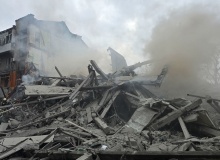
“We reject any misuse of Christian faith or church authority to legitimize violence, aggression, or domination”, says the European Evangelical Alliance in a new statement.
.png)
Janet Epp Buckingham, Markus Hofer and Gaetan Roy, from the World Evangelical Alliance, speak on behalf of churches at the United Nations in Geneva. What issues do they address?
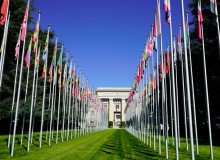
Upholding the worth and dignity of all human beings is hard work, but it is an essential part of our responsibility to represent Jesus in a hurting and divided world.
.jpg)
Eighty years ago, the United Nations was conceived within a moral atmosphere deeply permeated by Christian thought. Yet the vital role that Christians played in this vision is largely forgotten.
.jpg)
An expert committee considers that the right to choose and not be manipulated is not sufficiently guaranteed for people with disabilities. The French government defends its position.
.jpg)
The United Nations has designated August 22 each year as its International Day Commemorating Victims of Acts of Violence Based on Religion or Belief. This should be an important day on the Christian calendar.

It is necessary to carry out the mission in a sensitive and strategic way, taking into account the context of the housing crisis.
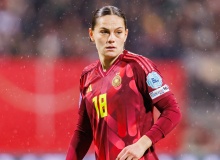
The German Christian centre forward knelt dow in the pitch after scoring a penalty. She wanted to “briefly experience this moment with God”.
.jpg)
The WEA representative to the UN Human Rights Council urges a solution to the case of a church in Rome and another in Albano Laziale.
copiaCropped.jpg)
Most of those killed were Christian farmers who stayed at a centre for displaced people that was set on fire. The attacks lasted for five days.
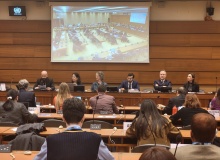
“Religious freedom gives independence, reduces harassment and acknowledges societal acceptance”, says the UN special rapporteur on FORB at an event organised in Geneva.
.jpg)
The Ugandan Julia Sebutinde was the first African woman to sit on the United Nations judicial institution.
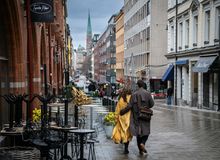
The Swedish, European and World Evangelical Alliances sent a joint report on asylum seekers, conscientious objection, and hate speech, among other issues.




Las opiniones vertidas por nuestros colaboradores se realizan a nivel personal, pudiendo coincidir o no con la postura de la dirección de Protestante Digital.

