


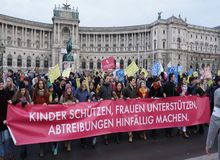
The peaceful demonstration was often disrupted by aggressive counter-protests. Christians also denounced that “the distorted portrayal of the event by some media was sobering”.
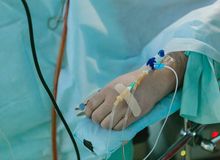
The draft law is being debated in House of Lords. “Any change would threaten society’s ability to safeguard vulnerable patients from abuse”, doctors say.
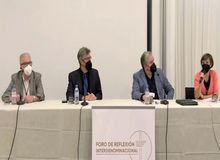
The second Interdenominational Evangelical Forum aimed “to build tools to deal with euthanasia in the best way possible” and called for a law to guarantee palliative care.
In the year of the pandemic, nearly 7,000 people died by euthanasia, the highest number since the practice was legalised two decades ago.
A palliative care doctor analyses the recently approved Spanish euthanasia law and its consequences in the final stages of life. “Closing our life properly is the way to die well”, she says.
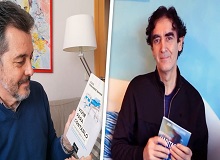
In their books, Jorge Fernández and Jaime Fernández send words of encouragement to all those fighting for their lives in an era of pandemic and euthanasia.
“No one should wish to die due to lack of palliative care”, Spanish health workers say, while they denounce their “defencelessness”.
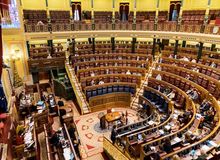
The Parliament passes the law with a majority of 198 votes. Dozens protested outside. Spain becomes the fourth European country and the sixth in the world to approve euthanasia.
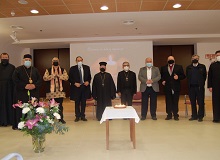
Catholics, Anglicans, Jews, Muslims and Hindus presented a joint manifesto against the euthanasia law that could be passed by the Spanish Parliament in the next few weeks.
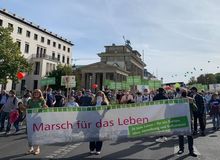
Demonstrators called for “the protection of the right to life from conception”, and “an end to euthanasia and surrogacy, because children are not goods”.
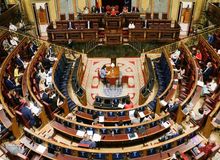
The amendments of the opposition parties have been rejected. “Such a sensitive issue needs a broad social and political consensus”, the Spanish Evangelical Alliance says.
The Constitution “includes a right to a self-determined death”, the court says. Protestant and Catholic leaders issued a joint statement lamenting the decision.

The draft law proposes euthanasia in a month for those with an incurable or disabling illness. Spanish evangelicals ask for “better palliative care and support for people in dependence”
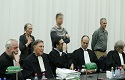
The case is closed, the debate continues.

After two years of intense social debate, the draft law is ready to be passed by the Senate. Two evangelical organisations warn against the “temptation of creating and augmented humanity”.
If Tine Nys’s euthanasia was illegal, then the three doctors could face a sentence for murder. Belgium faces a deep debate about a law that allows euthanasia for mentally ill people – and children.

Only infidelity has not suffered a change in attitudes compared to 30 years ago, shows research conducted by King’s College London on a range of issues.
“The very elderly who have had enough should be able to die when they choose”, said Pia Dijkstra, a member of the D66 party. European evangelicals have raised their voice against euthanasia.
The Spanish Evangelical Alliance says in a statement that the draft law is “in fact, an assisted legal suicide, wich does not respond to common situations of severe suffering”.
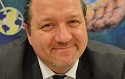
Škripek is a Member of the European Parliament (MEP) and a convinced Christian. To him, praying for a seemingly hopeless situation as there is in Syria is a logical thing to do.
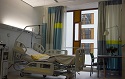
“Prioritising the decriminalisation of euthanasia over the provision of resources for palliative care is not a progressive policy, but the verification of a failure of the government and society”, the Spanish Evangelical Alliance says.
The CNEF presented its positions on the Estates General of Bioethics in a public event. “The value and dignity that the Bible recognises for every human being invites respect for all”, they said in a statement.
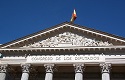
Assiste suicide is supported by a larga majority of the Congress. In 2011, the Evangelical Medical Union sent a report on euthanasia to the government.

The largest increase in euthanasia cases is among people that are not expected to die in the near future. Belgium is the first country in the world with no age restrictions for euthanasia.

Child euthanasia, a reality in Belgium.




Las opiniones vertidas por nuestros colaboradores se realizan a nivel personal, pudiendo coincidir o no con la postura de la dirección de Protestante Digital.

