


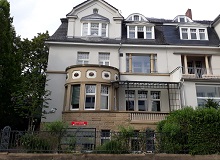
One recurring theme at EEA events was the authority of Scripture. Especially during the 1960s, the battle against modern theology attracted considerable attention, leading finally to a declaration in 1965.

The government wants to present a freedom of conscience bill this year, but social actors (including evangelicals) are not convinced about changing the religious freedom law.
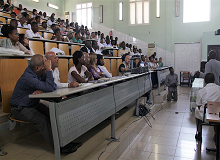
+Q Salud has been conducting training and health care in the country for more than ten years. Now the NGO has reached an agreement with the local authorities to develop a program similar to the medical residency in Spain.
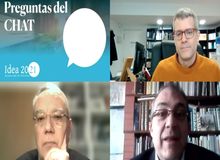
The annual meeting of the Spanish Evangelical Alliance addressed the challenges of freedom of conscience, the mission of the church, and its role in a society marked by the pandemic.
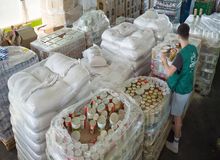
A report of the Spanish public TV shows the social action of evangelical associations during the pandemic. “We put the five loaves and two fish, and the Lord has multiplied them”.
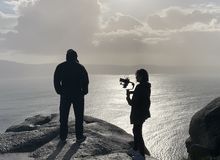
A multimedia project shares the gospel through short films that tell the testimony of people in all 52 Spanish provinces whose lives where restored by Jesus.
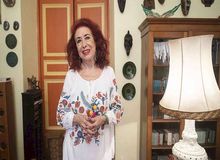
The “historical” feminists have totally rejected the Spanish trans draft law because they see it as a step backwards in equality that also “endangers children”.
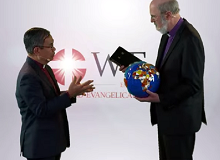
In his inaugural speech, German Thomas Schirrmacher underlined mission and the authority of Scripture as central elements which define what it means to be evangelical.
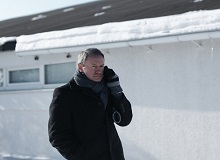
An interview with the pastor of New Life Church in Minsk, Vyacheslav Goncharenko: “We are praying for this nation, that we have a great revival”. Other churches and secular groups have expressed solidarity with the evangelical community.
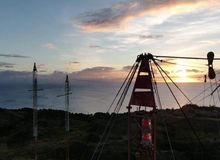
Shortwave remains a viable and important platform that can be used to broadcast the full message of the gospel in its uncensored and unrestricted form.
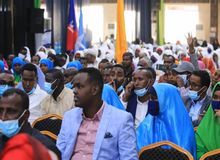
“Most Somali Christians are underground believers. We are a persecuted community”, explain the leaders of an online community of believers in the country.
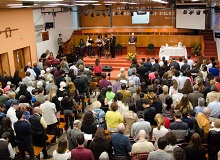
New official data show that evangelicals have multiplied eightfold in the last 20 years. The evangelical places of worship keep growing, there are over 4,200 throughout Spain.
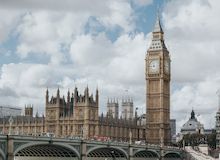
A public consultation of the UK government asks whether to make early medical abortion at home permanent. “It puts women at risk and further liberalises abortion practice”.
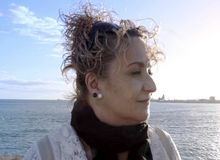
Ana María found the gospel through the website In Search of Jesus. Opportunities to share the gospel on the internet are multiplying, according to this online evangelism ministry.
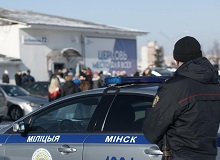
Police officers entered New Life Church in Minsk to evict the building. The evangelical community had supported pro-democracy protests. “If one member suffers, all suffer”, evangelical denominations say in a joint statement.

Exactly how religion and politics relate remains a subject of muddled thinking in evangelical circles on both sides of the Atlantic.
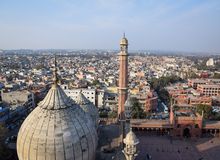
Vijayesh Lal, leader of the Evangelical Fellowship of India, says Christians are making a difference in times of Covid-19: “Local churches are providing relief to their neighbouring communities”.
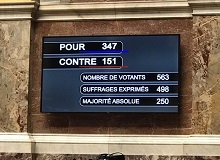
The so-called “anti-separatism law” is a response to radical Islamism, but evangelicals denounce it restricts freedom of worship and increases surveillance on all faith groups.
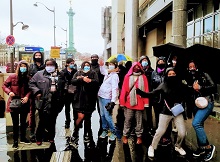
Anxiety and depression are “major issues” in times of lockdown, but “many Christian students have started reading the Bible one to one with non-believing friends”.

A website aims to help the 130,000 Hong Kongers expected to arrive in the UK this year to get settled. They see it as an “opportunity for the church to show Jesus' hospitality”.
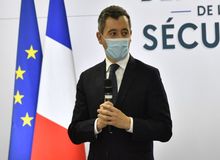
French evangelicals denounced that his comments “offended many evangelicals in France and several European countries”. Minister promised that “this bad experience will not happen again”.
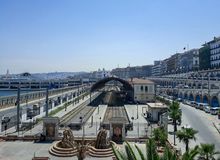
In a written statement to the UN Human Rights Council, the WEA also addresses the deteriorating environment for religious minorities in India and the incitement to violence of anti-conversion laws.
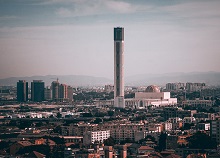
In a letter sent in December, three UN Human Rights Council special rapporteurs asked the government to stop the “intimidation and discriminatory treatment” of Protestants.

A Pew Research survey shows that 47% of religiously unaffiliated adults have experienced any form of online harassment. It happens most among those under the age of 30.
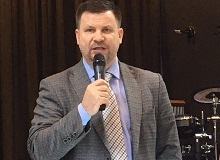
Vitaly Vlasenko, a pastor in Moscow, analyses the situation of evangelicals in Russia. “I am not aware of pastors, bishops, or other Christian leaders who have participated in the protests”.




Las opiniones vertidas por nuestros colaboradores se realizan a nivel personal, pudiendo coincidir o no con la postura de la dirección de Protestante Digital.

