



An initiative honours over a century of educational, social, and cultural contributions for the first time.
.jpg)
A low fertility rate and the secularisation of the island are the causes. Six out of ten children are registered as Catholic at birth, in a context where ‘cultural Catholicism’ persists.
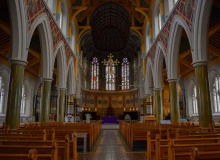
Religious and cultural pluralism is a fact, but theological pluralism and moral subjectivism are dangerous, contradictory ideologies.
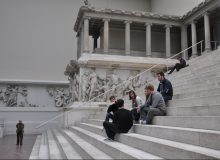
Christian work is neither meaningless nor sufficient in itself. God is building his Kingdom, but he graciously involves us in the process.
The journalist Paco Niebla tells the life and murder of his grandmother Ángela in the Spanish city of Vigo. “People who lose their memory lose their identity”, he said.
.jpg)
Italians don’t read much, but they do read something. Can the same be said of evangelical Christians?
Christians embarrass themselves by pretending to be experts where they are not

A translation of the four Gospels into the dialect of the Welsh county of Pembrokeshire was recently published. National media covered the story.

For cultures that prize productivity and speed, Christian communities are called to model a different way: the slow work of presence, the patient cultivation of deep relationships.

I hope that the Jeffrey Donaldson revelations will cause us to reflect deeply on the culture that we have allowed to develop, which is insufficiently loving and insufficiently committed to truth.

The series aims to portray Jesus’ story from historical and multidisciplinary perspectives, showing how his legacy continues to influence contemporary culture.
.jpg)
The film phenomenon offers an energetic blend of action, music, and humour, wrapped in beautiful, vibrant animation and framed by a mythology with darker undertones.
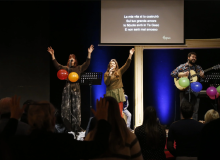
To be blessed by people we had led to faith and who had joined our church conveyed the life-giving power of this act with astonishing clarity.

What, exactly, are we asking people to leave behind when they come to Christ? And what are we asking them to become?
Christians need to understand the interaction between faith and mental health, not only for their own wellbeing, but also to lovingly care for those who suffer in this area.
Biblical spirituality is both vibrant and balanced.
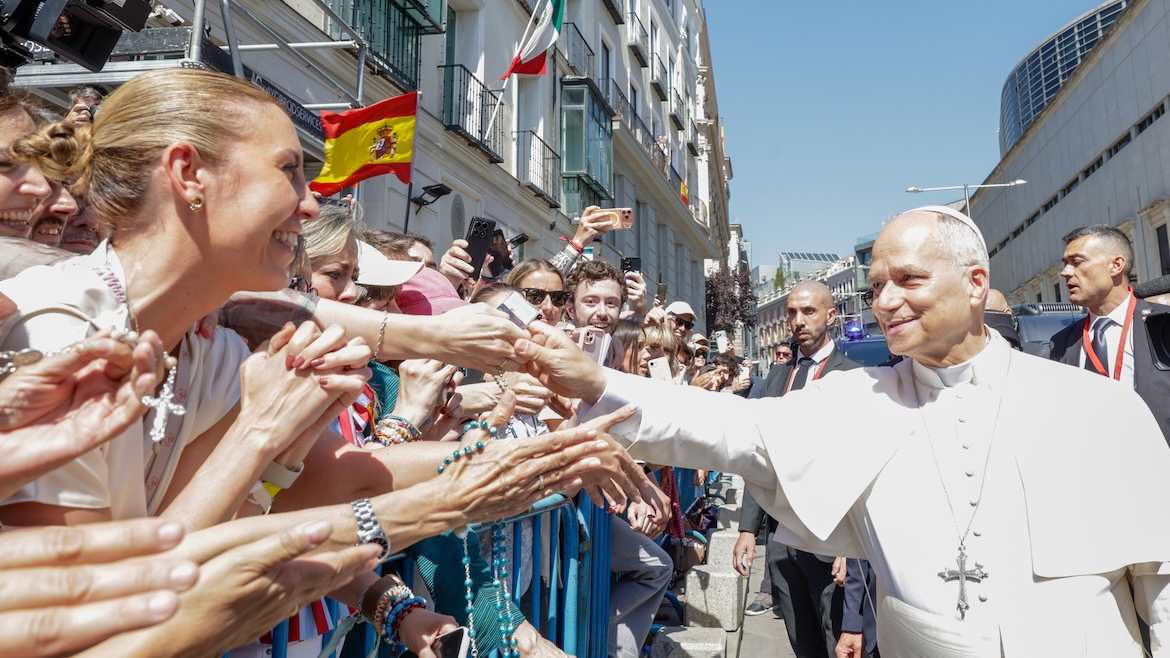
When the Pope spoke about freedom of conscience in Madrid, he forgot to mention that the Roman Catholic Church has been its greatest enemy for centuries.
Families need compassion and clarity to overcome mental health challenges.
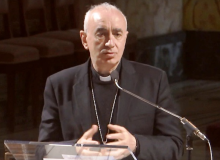
However much it is expressed in lively, pop-culture language, Staglianò’s theological framework is the old Thomism rejuvenated by John Paul II in the encyclical Fides et Ratio (1998).
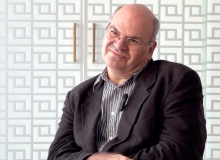
In an interview, Spanish pastor and journalist José de Segovia comments on the renewed spiritual interest among younger generations, the risks of social media, and the state of the evangelical witness in universities.
.jpg)
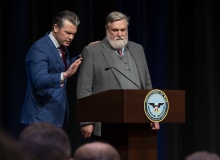
Secretary of War Hegseth’s appearance at Rededicate 250 conservative Christian rally in Washington reinforced the perception that a warrior-style, crusading Christianity is gaining influence in nationalist circles. But this neglects the broader biblical trajectory toward justice, mercy and reconciliation.
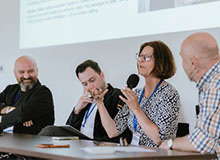
MediaFest 2026 brought together writers, editors, journalists and content creators from across Europe to reflect on what people are really looking for, and whether the church is listening.

Crises of faith help us to develop a mature understanding of Christianity.

French Oscar-winner Marion Cotillard will star the movie, which does not yet have a confirmed start date or release window.

You are surrounded by people fighting inner battles.






Las opiniones vertidas por nuestros colaboradores se realizan a nivel personal, pudiendo coincidir o no con la postura de la dirección de Protestante Digital.

