


.jpg)
In Switzerland, 6 per cent of the population are Muslim. Parliamentarians who fear the Islamisation want more control by local councils over mosques and their funding. But such laws would affect evangelical free churches as well.
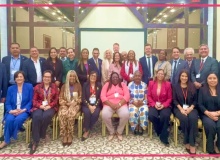
Participants of the Global Forum for Life, Family and Freedoms agreed to set up a convening committee to create the ProLife Core Group, started with the Geneva Consensus Declaration.
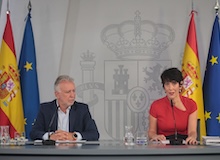
The law approved by the Spanish Government seeks to redress the injustice suffered by pastors and their families who were prevented from making social security contributions during the Franco regime and the early years of democracy.
.png)
Echoing the calls of evangelicals in the Middle East, the World Evangelical Alliance appealed in Geneva for an end to the illegal territorial expansion, which “contributes to the dispossession and displacement of Palestinians, including Christians”.
.png)
Governments may employ a “divide-and-rule” strategy to weaken civil and religious groups. Wounds from violent conflict can fester, keeping Christian communities divided even after the war has ended.
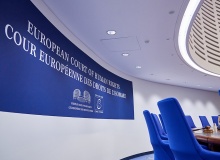
The case of a father who was barred by the Spanish courts from taking his young son to church or teaching him about the faith, due to the mother’s opposition, has been referred to the European Court of Human Rights.
.png)
David Smith, the government’s Special Envoy for Religious Freedom, visited Ukraine in July. In the country's occupied territories, people only can worship freely in Russian Orthodox Churches, he says.
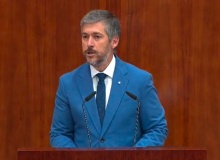
The law recognises the unborn as a family member for administrative purposes from the start of pregnancy. Abortion advocates in the regional parliament showed their opposition in a tense debate.
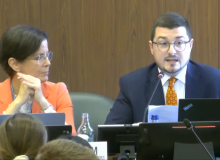
Governments around the world need to ask themselves if “human beings can become a means to satisfy the interests and desires of others”, says Italy's Minister for Family and Natality.
.jpg)
The World Evangelical Alliance addressed the Austrian government at the Human Rights Council, requesting that no obstacles prevent the registration of faith minorities.
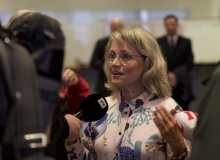
The Finnish politician has appealed to the European Court of Human Rights after the Finnish Supreme Court ruled that the booklet Man and Woman He Created Them, published in 2004, breached legislation on hate speech against homosexuals.
.jpg)
At a time of intense media coverage, Spanish evangelicals welcome analysis but ask that people avoid stereotyping regarding the voting habits, background or identity of their faith minority.
.jpg)
The gathering of 35,000 Christians in Madrid last weekend can and should be debated, just like any other public event. But it should not be treated as a democratic anomaly simply because it is evangelical, large-scale and visible.
Mairead McGuinness will lead efforts to promote freedom of belief outside the European Union. Christian MEPs say that the long delays in filling the post confirm the European government’s lack of interest in this human right.
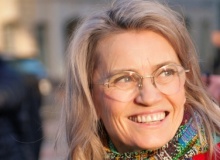
The Supreme Court’s conviction of the Finnish politician and doctor could set a “troubling precedent for freedom of expression and religion across Europe”, says the European Evangelical Alliance.
.jpg)
The law is one of several that Vladimir Putin’s regime has introduced to intimidate religious minorities. Missionary activities are forbidden for other groups as well, including evangelical Christians.
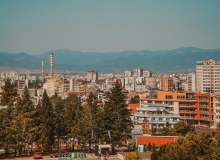
The World Evangelical Alliance urges Bulgaria to “protect freedom of religion and ensure no religious community is unfairly affected during electoral processes”.
.jpg)
Today’s cancel culture, deplatforming, and loyalty oaths echo earlier demands for correct doctrinal confession in the past.
.jpg)
At the Human Rights Council in Geneva, the World Evangelical Alliance raises denounces that, in India, families “undergo coerced re-conversion rituals before burial can proceed”.
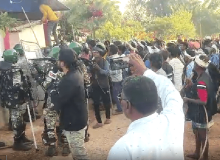
The denial of burial rights is often accompanied by threats of violence, forced conversions and harassment.
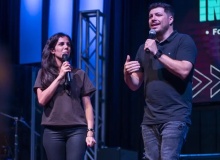
A pastor of the Iranian church in Barcelona analyses the impact of the fall of the Ayatollah regime’s leadership and the situation of Iranian Christians in the diaspora, where they hope for rapid political and social change that will restore religious freedom in the country.
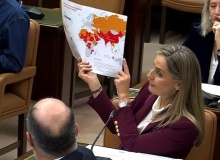
The proposal by the conservative Popular Party, which received 19 votes in favour and 18 abstentions, urges the government to prioritise the protection of religious freedom in its diplomatic agenda.
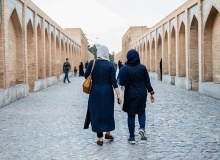
Human rights violations against Iranian Christians include “imprisonment, exile and forced labour”, says a new report.
Cropped.jpg)
Five examples of how Christians raise their voices with humour and courage to explain the precarious life without freedoms under the Castro regime.
.jpg)
Spanish national Carlos Madrigal lived in Turkey for more than three decades. He comments on the government's response to the European Parliament's condemnatory resolution on the expulsion of foreign Christians.




Las opiniones vertidas por nuestros colaboradores se realizan a nivel personal, pudiendo coincidir o no con la postura de la dirección de Protestante Digital.

