



The Bible is clear that the Christian question regarding housing can never be solely: ‘How much can I get for this property?’ But also: ‘What responsibility do I have before God towards the person who needs to live in it?’
The evangelical federation welcomes the initiative, but rejects the requirement for pastors and widows to pay contributions. It will request a meeting with the government and does not rule out legal action.

What Christians can and should commit to is to honour every person in accordance with the the innate dignity they have.
.jpg)
In Switzerland, 6 per cent of the population are Muslim. Parliamentarians who fear the Islamisation want more control by local councils over mosques and their funding. But such laws would affect evangelical free churches as well.

The law approved by the Spanish Government seeks to redress the injustice suffered by pastors and their families who were prevented from making social security contributions during the Franco regime and the early years of democracy.
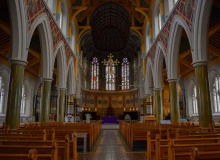
Religious and cultural pluralism is a fact, but theological pluralism and moral subjectivism are dangerous, contradictory ideologies.
.jpg)
The Senate has approved the bill, but it will not be included in the school calendar nor will it be a public holiday. The aim is to recognise the volunteering work carried out by thousands of people through churches

Faith-based healthcare institutions may refuse to allow assisted dying on their premises, “when such a procedure is clearly contrary to the institution's statutory mission or purpose”.

Reach4Life has now reached 3 million young people in 40 countries with biblical answers to addiction, family conflict, identity and faith.
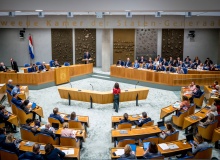
Dutch evangelicals call for “compassion and prayers” and stress that “palliative care is essential to support parents in accompanying their child with dignity”.
.jpg)
The National Council of Evangelicals in France laments the “turning point” which, they fear, will serve to push the most vulnerable towards death. The controversial law has been passed by a narrow margin following three years of debate.
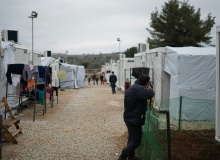
We recognise the legitimate duty of governments to manage migration responsibly, secure external borders, and combat human trafficking. At the same time, several elements of this Regulation trouble us. Detention will now last longer and can apply to families with children.
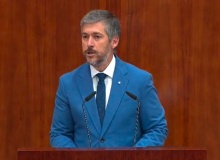
The law recognises the unborn as a family member for administrative purposes from the start of pregnancy. Abortion advocates in the regional parliament showed their opposition in a tense debate.

The current proposals undermine the role of parents and carers while also ignoring freedom of religion and belief, offering no protection for church leaders and others.
.jpg)
The Labour government’s proposals include up to five years of prison. The Evangelical Alliance UK denounces that the definition of abusive practices is “entirely subjective”. Christian Concern speaks of “a ban on conversations”.

The draft law aimed to abolish the waiting periods for an abortion and the criminalisation of doctors. “The Bill is cynical and dishonest”, said the Irish Evangelical Alliance.

Christians launch a campaign to encourage citizens to speak to their political representatives, as the debate on assisted dying returns to the National Assembly.
.jpg)
A prominent tribal organisation is demanding that Christians renounce their faith by 30 April. It is happening in the state of Chhattisgarh, which has one of the most restrictive anti-conversion laws.
.jpg)
Hundreds of amendments and a lengthy debate in both houses of parliament, combined with opposition from doctors, pro-life groups and a divided public, have put an end to the bill. Pro-assisted dying parliamentarians will have to start the process from scratch.
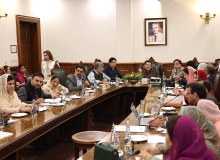
The proposed law aims to curb underage marriages, eliminate gender-based disparities and strengthen child protection mechanisms in the province.

Canada has made international news recently for two pieces of legislation aimed at curbing the spread of hatred. Faith leaders have raised concerns about how these laws might limit religious expression.
.jpg)
Judges consider that prayers or expressions of opinion cannot automatically be regarded as an attack on women seeking to terminate their pregnancies.
.jpg)
A shocking court ruling will cause Christian defenders of Trump to say “See, everything we say about Europe is right”.

The draft law failed to pass by 69 votes to 57. “This is a fantastic result for life, for compassion and for the most vulnerable”, evangelical leaders say.

The objectification of women through prostitution fuels human trafficking worldwide. Ezequiel Escobar leads an organisation working to restore victims of this scourge.






Las opiniones vertidas por nuestros colaboradores se realizan a nivel personal, pudiendo coincidir o no con la postura de la dirección de Protestante Digital.

